 PetMatch
dog vaccination schedule
Dog vaccination schedule: which vaccine when, from puppy to adult?
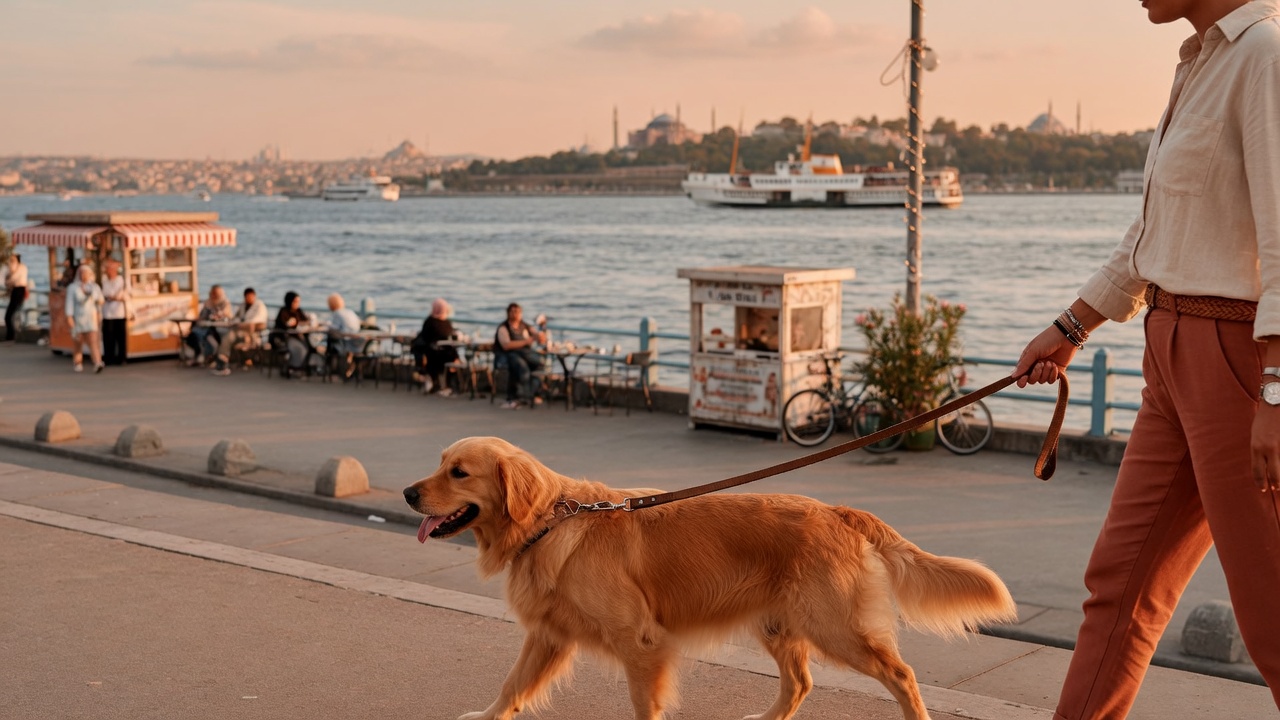
Short answer: A puppy’s vaccination schedule usually starts at 6–8 weeks with a parasite treatment and the first combination vaccine, is repeated every 2–4 weeks, and is completed with the rabies vaccine after 12 weeks. Adult dogs get the combination and rabies vaccines again once a year. The exact programme is set by a vet according to the dog’s age, health and region.
The table below is a sample plan that clinics in Turkey commonly use; your vet may recommend a different order.
Puppy vaccination schedule (sample)
| Age | What is done |
|---|---|
| 6–8 weeks | Internal and external parasite treatment, general check-up |
| 8–9 weeks | Combination vaccine (1st dose) |
| 10–12 weeks | Combination vaccine (2nd dose), coronavirus at some clinics |
| 12–14 weeks | Combination vaccine (3rd dose), kennel cough (Bordetella) |
| 12–16 weeks | Rabies vaccine |
| If your vet advises | Lyme disease, extra leptospirosis dose |
The combination vaccine gives joint protection against diseases such as distemper, parvovirus, hepatitis and parainfluenza. Until the series is complete, a puppy should be kept away from busy parks and dogs it does not know.
Yearly boosters for adult dogs
- Combination vaccine: once a year
- Rabies vaccine: once a year (compulsory in Turkey)
- Kennel cough: once a year for dogs that use parks, boarding kennels and dog hotels
- Internal parasites: usually every 2–3 months; external parasites: monthly or every 3 months, depending on the product
Is the rabies vaccine compulsory?
Yes. In Turkey, cats and dogs older than three months must be vaccinated against rabies, and the vaccine is entered in the animal’s identity record together with its microchip. An up-to-date rabies record is asked for when travelling and on admission to boarding kennels and dog hotels.
What happens if I miss a vaccination date?
A delay of a few days rarely causes a problem, but protection weakens the longer the gap grows, and your vet may want to start the series again. That is why recording the “next dose” date on the day the vaccine is given is the most reliable method.
How do I keep track of the vaccination schedule?
The paper booklet stays in a drawer. The PetMatch health diary keeps separate vaccination, vet and medication records for each of your pets and sends a reminder to your phone as the next date approaches. Only you can see the records. More: how vaccination reminders work.
If you also have a cat, see the cat vaccination schedule. The next step for a dog whose vaccinations are complete: meeting dog owners nearby.
This article is for general information only; consult your vet for diagnosis and treatment.